07 October 2026
Finding the Right Fit: Why Small Assisted Living Homes Matter for Your Loved One
Presented by @rhac4gnl0m
When my mother started needing help with dressing and medication reminders, the search for a place that felt like home became urgent. We toured the standard facilities first, large buildings with long hallways, scheduled activities, and a staff that seemed to rotate every shift. Nothing felt right. Then a friend mentioned small assisted living homes, and I realized we had been looking in the wrong direction entirely. These homes, often called cottage-style or family-run homes, offer a radically different approach to elder care. For families in the St Louis metro area, they can be the difference between a sterile institution and a genuine like-home environment.
What Defines a Small Assisted Living Home?
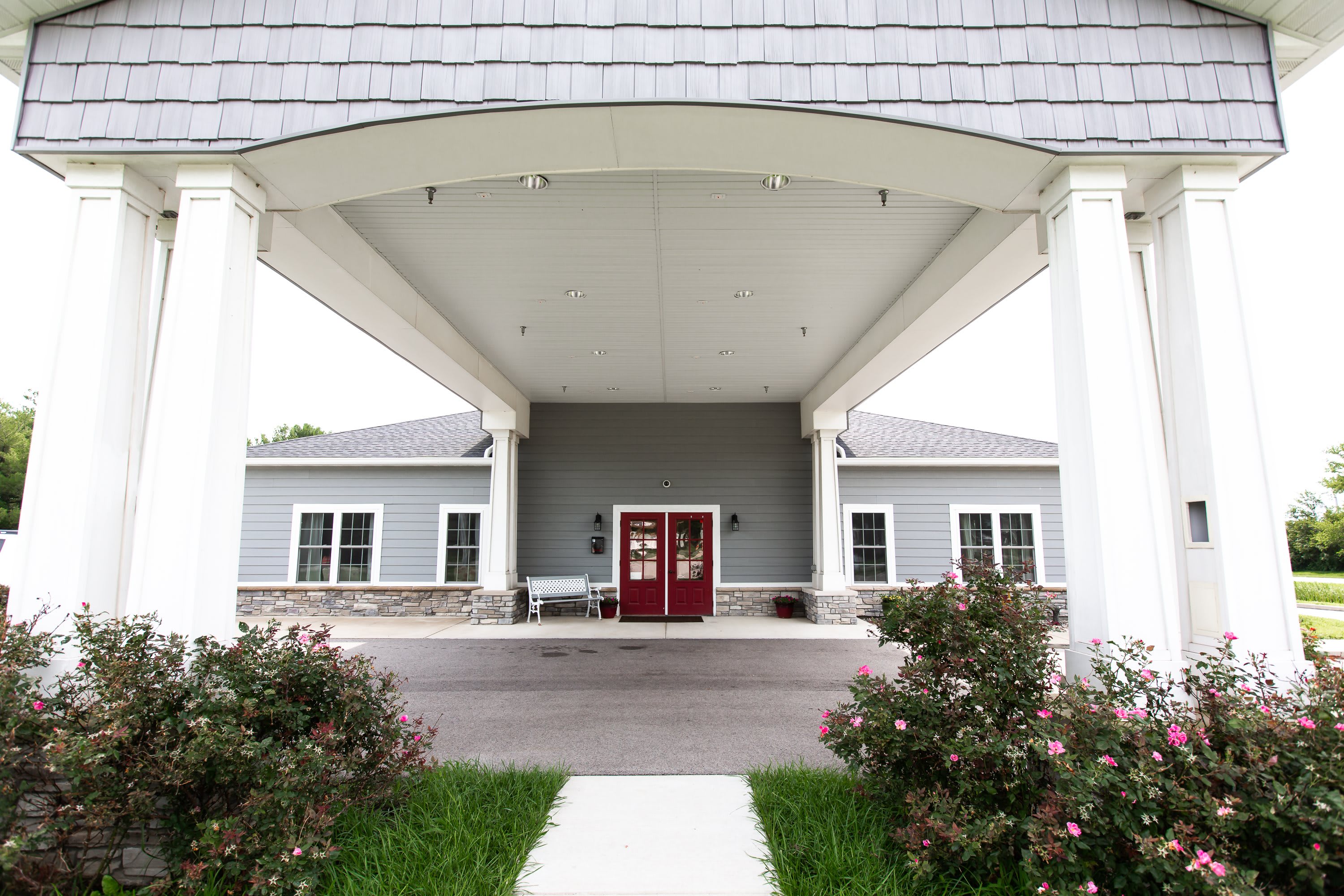
A small assisted living home typically houses between four and twelve residents. In Missouri, these homes are regulated by the Missouri Department of Health as Licensed Assisted Living facilities, but they operate on a scale that allows for deep, personal relationships between staff and residents. The physical space often resembles an actual house, with a shared kitchen, a living room, and private or semi-private bedrooms. There is no institutional cafeteria; meals are cooked in the home, and residents can often participate in meal preparation if they wish. This is the essence of person-centered care: care that adapts to the individual, not the other way around.
One of the most immediate benefits is the staff-to-resident ratio. In a home with six residents, even a single caregiver can provide attentive support. Contrast that with a facility housing sixty or more residents per floor, where a caregiver might be responsible for a dozen or more people at once. In small assisted living homes, caregivers know each resident's preferences, routines, and medical history without having to check a chart. That continuity builds trust and reduces anxiety for everyone involved.
Memory Care in a Familiar Setting
For families dealing with dementia, the choice becomes even more critical. Many small assisted living homes also offer dedicated memory care programs within the same house, often in a secure wing or a separate cottage on the same property. The Alzheimer’s Association emphasizes that consistency and routine are vital for someone with memory loss. In a small group home, the daily schedule is not dictated by a central activities calendar; it flows naturally from the residents. Morning coffee, a short walk in the garden, folding laundry together, these ordinary moments become therapeutic. The environment itself reduces confusion because it mirrors a private residence, not a clinical ward.

I recall visiting a small home in south St Louis County where one resident, a retired teacher, spent part of each afternoon reading aloud to anyone who would listen. The staff encouraged it because they knew it gave her purpose. That kind of flexibility is hard to find in larger settings, where activities are often designed for the average resident rather than the actual person. In small assisted living homes, the care plan is a living document, adjusted weekly or even daily as the person’s needs change.
Financial Realities and Options
Cost is often the first concern families raise. It is true that small assisted living homes can be more expensive per month than larger facilities, partly because the staff-to-resident ratio is higher and the setting is more personalized. However, there are ways to make it affordable. In Missouri, the Medicaid waiver program can cover some of the costs for eligible residents, especially those who require help with Activities of Daily Living such as bathing, dressing, and toileting. Not every small home accepts Medicaid, but an increasing number do, especially those that are family-run and focused on serving the local community.
Another option is to work with a senior living advisor who knows the St Louis market. These advisors are often free to families (they are paid by the facilities) and can help you compare homes based on your budget, the level of care needed, and the intangible factors like the personality of the staff. Be wary of large referral services like A Place for Mom; they can be helpful, but they tend to steer families toward facilities that pay them higher commissions, which are often the larger chains. A local advisor who visits homes regularly will have a more honest take.
For those who are planning ahead, consider long-term care insurance that specifically covers assisted living, not just nursing homes. Policies vary widely. Some will pay a daily benefit that can be applied to the cost of a small assisted living home. Others require a certain level of care before they kick in. Read the fine print, and if possible, have a conversation with the insurance company about whether the home you are considering qualifies under their definition.
The Role of Culture Change
The broader movement in senior care called culture change has pushed many providers away from the medical model and toward a social model. Small assisted living homes are often at the forefront of this shift. Instead of rigid schedules, residents have more autonomy over when they wake up, eat, and engage in activities. The staff are empowered to make decisions on the spot rather than waiting for a supervisor. This approach has been shown to reduce the use of antipsychotic medications and improve overall satisfaction among both residents and families.
One practical example: in a small home, the family visit policy is rarely a set of rules. Families are welcome to come for dinner, join a movie night, or even stay overnight in a guest room if the home has one. In larger facilities, visits are often confined to certain hours and certain spaces. The difference matters, especially when a resident is adjusting to a new environment. Being able to have a grandchild come over for an afternoon can make the transition feel less lonely.
When a Small Home May Not Be the Right Choice
It would be dishonest to suggest that small assisted living homes are perfect for everyone. Some people thrive on the social stimulation of a larger community with dozens of peers. Others require a level of medical oversight that a small home cannot provide. For example, if your loved one needs daily skilled nursing or regular palliative care for a terminal condition, a small home may not have the staffing or licensing to meet those needs. In those cases, a larger facility with an on-site nurse or a dedicated hospice wing might be more appropriate.
Also, not all small homes are created equal. Some are lovingly run by families who have been in the business for decades. Others are newer enterprises that may lack experience or a stable staff. Always ask about turnover rates, staff training, and the home’s history with the Missouri Department of Health. Inspection reports are public record and worth reviewing before making a commitment. The NIC MAP data shows that the St Louis area has a growing number of small-scale providers, but quality varies widely. Do your homework.
How to Start Your Search
If you are beginning this journey, start by talking to other families. Word of mouth is still the most reliable way to find a good small assisted living home. Reach out to local Elder Care professionals, such as geriatric care managers or social workers at area agencies on aging. They often know the homes that fly under the radar. You can also check online directories, but be aware that many are funded by advertising dollars and may not list smaller homes that cannot afford the fee.
When you visit, pay attention to the small things. Is the staff smiling? Do residents look engaged or just parked in front of a television? How does the home smell, clean but not antiseptic? Ask about respite care options; a short stay can give your loved one a trial run without a permanent commitment. And if the home offers aging in place, meaning they can adjust the level of care as needs increase, that is a strong sign of a thoughtful operation.
The Bottom Line
Choosing a care setting for a parent or spouse is one of the most emotional decisions a family will make. The convenience of a large facility near your home can be tempting, but the quality of life that comes from a truly like-home environment is worth the extra effort to find. Small assisted living homes offer something that no amount of square footage or amenities can replace: the feeling that your loved one is still living in a home, not just a residence. For families in St Louis who value transparency, connection, and genuine care, these homes are not a compromise, they are a better path forward.